Posts

vocal mist nebulizer and saline refill packets

Your voice is more than just a sound—it’s a tool, a form of expression, and often, a cornerstone of how you connect with others. Whether you’re a singer, actor, teacher, podcaster, or someone who talks a lot throughout the day, protecting your vocal health is essential. Voice problems can sneak up gradually or appear suddenly, but understanding the early warning signs and knowing how to care for your voice can prevent long-term damage.

In this post, we’ll cover the most common vocal health issues, their causes, and practical tips to maintain a strong, healthy voice.


What Is Vocal Fatigue?

Vocal fatigue is one of the most common complaints among people who rely heavily on their voice. It typically feels like a tired, strained sensation in your throat, often accompanied by hoarseness or a diminished vocal range after extended speaking or singing. This often stems from overuse, vocal strain, or using poor technique.

To prevent vocal fatigue:

  • Warm up your voice before speaking or singing.
  • Stay well-hydrated throughout the day.
  • Take vocal breaks when you feel tired or strained.

Also, be mindful of your speaking environment. Are you constantly raising your voice over background noise? That unconscious effort can wear out your vocal folds faster than you think.

Using proper technique and pacing yourself vocally can significantly reduce fatigue. Think of your voice like a muscle—it needs care, training, and rest.

💡 Want an extra layer of hydration support? Check out the VocalMist portable nebulizer, a popular tool among singers and speakers for fast, targeted vocal hydration.


How to Recover from Vocal Strain

Even with good habits, vocal strain can still happen. The most effective remedy? Rest.

Just like your body needs recovery time after a tough workout, your voice needs downtime when it’s been overused. Reduce speaking, avoid singing, whispering, or yelling, and limit throat clearing. These small steps give your vocal cords the space to heal.

Pair vocal rest with hydration, sleep, and a healthy diet to support full recovery. Avoid irritants like smoking, alcohol, and excessive caffeine, as these can dry out your vocal tissues and slow healing.


Long-Term Vocal Fold Damage: What to Watch For

Your vocal cords (or vocal folds) are two bands of muscle in your larynx that vibrate to create sound. When these become inflamed—due to overuse, infection, or poor technique—you may notice hoarseness, raspiness, or a reduced vocal range.

Persistent symptoms could signal something more serious, like vocal nodules, polyps, or cysts. These benign growths are often caused by chronic vocal strain and can interfere with both the sound and comfort of your voice.

If you experience ongoing hoarseness, breathiness, or vocal fatigue, consult a voice specialist or ENT (ear, nose, and throat doctor). Treatment may include:

  • Voice therapy with a trained vocal coach
  • Medical intervention in severe cases
  • Vocal rest and hydration as part of recovery

Acid Reflux and Your Voice

Acid reflux—especially silent reflux—can silently erode your vocal health. Stomach acid reaching the larynx irritates the vocal cords, causing inflammation, hoarseness, and a scratchy throat.

Tips for managing reflux-related vocal issues:

  • Avoid eating right before bed (especially spicy or acidic foods)
  • Limit caffeine, alcohol, and carbonated drinks
  • Elevate your head while sleeping
  • Consider antacids or speak with a doctor about long-term solutions

Protecting your voice from reflux damage often starts with lifestyle adjustments.


Allergies, Sinuses, and the Voice

Nasal congestion and postnasal drip can cause throat irritation and increase vocal strain. Allergies, in particular, can lead to swollen vocal folds and make your voice sound muffled or fatigued.

To manage these issues:

  • Stay hydrated to thin mucus and keep your vocal cords moist
  • Use saline rinses or humidifiers
  • Try tools like a saline nebulizer, such as the VocalMist, which many singers rely on to soothe and hydrate their voice
  • Monitor medications that can dry out your throat (like antihistamines)

If allergy symptoms are chronic or severe, it may be worth consulting an allergist.


Infections and Vocal Health

Colds, the flu, and other respiratory infections can wreak havoc on your voice. They often cause temporary inflammation of the vocal cords, leading to hoarseness or even voice loss.

To protect your voice during illness:

  • Prioritize vocal rest
  • Stay hydrated
  • Avoid clearing your throat excessively
  • Use steam inhalation or soothing teas with ingredients like licorice root or marshmallow

If symptoms linger after the infection passes, follow up with a medical professional to rule out more serious issues.


Vocal Exercises for Recovery and Prevention

Just like athletes warm up their muscles, your voice needs regular care and training to stay in shape. Incorporate light vocal warm-ups—like lip trills, humming, and gentle sirens—before singing or speaking for long periods.

Working with a vocal coach can also help you:

  • Improve technique
  • Reduce harmful vocal habits
  • Develop a custom plan for vocal maintenance or rehabilitation

Staying hydrated is equally important. Drinking plenty of water throughout the day—not just when you’re performing—can keep your vocal folds pliable and reduce friction. Tools like the VocalMist nebulizer can offer deep hydration and are widely recommended by vocal professionals.


Protect Your Voice for the Long Haul

Caring for your voice isn’t just for singers or public speakers—it’s important for everyone. By staying informed about common vocal health issues and making small, consistent changes, you can avoid long-term damage and keep your voice strong and clear.

Remember:

  • Don’t push through pain or fatigue.
  • Hydrate regularly.
  • Use tools like VocalMist to support your vocal health routine.
  • Seek help from a medical or vocal specialist if problems persist.

Your voice is a valuable asset—treat it with care.

Stay super!

Bonnie

Hey there, fellow voice actors and friends! Let’s chat about something that hit home this week – the great social media blackout. Our go-to platforms, Facebook/Meta/Instagram and LinkedIn, took a breather simultaneously. Talk about a digital rollercoaster, right?

Now, imagine if your entire online presence was stuck in that standstill. No promotions, no client connections – just radio silence. Yikes! That’s why being everywhere matters, and not just on one social media stage.

  1. Spotlight on Risk Management

Think of your social media platforms like a diversified investment portfolio. You wouldn’t throw everything into a single stock, would you? Similarly, putting all your professional eggs in one social media basket is, well, a risky move. Tech glitches, cyber hiccups, or unexpected gremlins (don’t feed them after midnight) – diversifying is your insurance policy against the unknown.

  1. Building a Symphony, Not a Solo Act

As a voice actor, you know the power of variety. The same goes for social media channels. Each one is a different note in your digital symphony. Instagram for showcasing fun videos and pictures (remember when it was just pictures of our food with the Valencia filter back in 2013? Good times), LinkedIn for the professional undertones – it all adds up. Diversifying amplifies your voice, ensuring your unique melody reaches every ear.

  1. Cultivating Connections

Our industry thrives on connections, right? Social media is our backstage pass to networking. When one platform takes a break, others step into the limelight. It’s not just about numbers; it’s about nurturing connections. Being everywhere means you’re always within earshot of your audience, building relationships that withstand any digital intermission.

  1. Tuning Into Audience Harmony

Every platform has its own rhythm, just like every client has unique needs. Instagram might love your audio snippets, while LinkedIn craves your insightful industry thoughts. Diversification allows you to tune your content to hit the right notes on each platform, catering to the varied tastes of your audience.

  1. Riding the Waves of Opportunity

The blackout wasn’t just a roadblock; it was a detour. While the big players paused, other stages were buzzing with activity. Being present everywhere lets you surf the waves of digital opportunity. New trends emerge, fresh connections form – and you’re right there, ready to seize the spotlight.

In the world of voice acting, versatility is key. Apply that same principle to your online presence. Diversify your platforms, cultivate your unique sound on each, and watch your digital performance reach new heights. After all, in our industry, silence isn’t golden – it’s just missed opportunities. So, let’s keep the conversation going, stay connected, and make sure our voices are heard across the vast expanse of the digital soundscape!

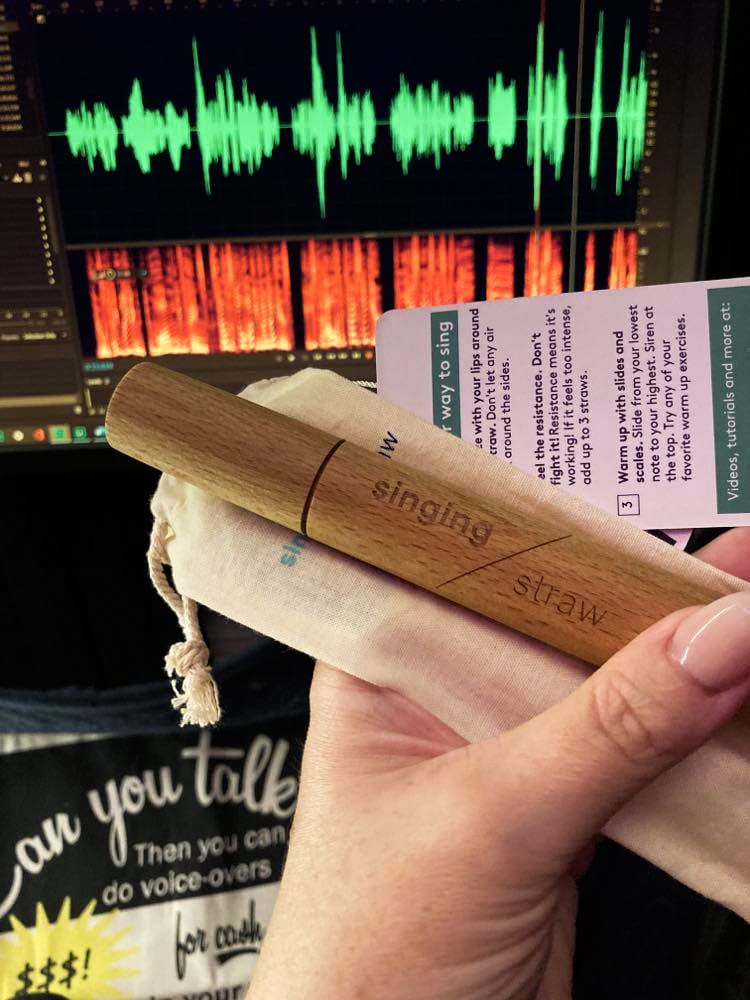
Bonnie's hand holding a Singing Straw in front of her DAW software

For anyone interested in voice acting, you’ll need to pay extra attention to your daily vocal care routine. You want to be prepared for when your voice gets strained and take note of any symptoms. And when that happens, you’ll need an important tool to help ease the strain on your voice. But what if you could do that and add that extra ‘oomph’ to your vocal warmups?

This is where a Singing/Straw comes in handy.

Now you might be wondering, “What is a singing straw and how does it work?”

I first heard about them when I bought a competitor’s product in early 2021… and then lost it on my move back to Los Angeles. Sigh.

Enter the Singing/Straw. I believe it was a targeted ad on social media that got me. It looked pretty comparable to what I got last time, so I thought I’d give it a try. I had a big recording session in Washington, DC and brought it with me. Unloaded my stuff after arrival in the hotel room, came back, and it was gone. Pretty sure it was stolen. And it was still in the packaging. Double sigh.

I got an email from the folks at Singing/Straw asking me how I enjoyed my purchase and I told them I wish I could’ve given a testimonial but it was gone, and I would buy another. You know what they did? They sent me another one for free. Out of the kindness of their hearts. How amazing, right?

You know what they say, the third time’s the charm, right?

So I got my new one and oh WOW, what a difference it makes! I do a lot of vocally taxing work and even after long sessions, my voice is less tired when I use the Singing Straw versus when I don’t.

When they asked if I wanted to be an affiliate, I jumped at the chance.

So all that is great but what exactly is a singing straw? A singing straw is just that – it’s an eco-friendly singing straw that helps you warm your vocals up. Not just for voice acting, but also for speaking and for singing as well. It can also build flexibility and stamina, reinforce a healthy resonance, reduce unnecessary strain and tension, and heal your voice for when you’re tired or sick. The best part about it is that it was designed based on the latest in voice science.

I personally use this tool every day, since my voice is my biggest asset and I want to help take care of it as much as I can. And in true VO Superhero style, I think it also gives my vocal range a good powerup whenever I need it.

Want to get your own Singing Straw? Just use the code VOSuperhero at checkout to take 15% off of your next purchase!

Happy singing!

Bonnie's hand holding a Singing Straw in front of her DAW software
Here’s a picture of me… well, my left hand, in my home studio with my Singing Straw!

The Voiceover Superhero with her Sennheiser MKH 416 microphone

After a friend pointed this out, I realized I never updated you on the microphone situation here on the blog! I’m happy to report that the case with eBay was resolved in our favor, we got refunded, and I reached out to my rep at Sweetwater who hooked me up with my new (really really FOR REAL THIS TIME) Sennheiser MKH 416 and I LOVE IT SO MUCH 😍⁣

I’m not getting rid of my Neumann TLM 103 though. That’s been my baby for years, and has voiced hundreds of projects. But it’s become best buddies with my new one and we’ll all be a happy little VO family ❤⁣

Wanna hear my Sennheiser in action for your next project? Send me an email and we’ll get to work 🦸🏼‍♀️💥⁣

I failed 😬

Instead of pretending it didn’t happen, we’re gonna talk about it because I think there’s a lesson to be learned here.

I recently shared a picture on my Instagram of my booth with my new mic. It got a lot of engagement and really hyped me up, and I was so excited to use it. Cool, right?

Well… as some of my eagle-eyed friends noticed, it wasn’t actually a 416. I didn’t even really notice as I was putting it together. I thought it looked a little funny, but since I’ve never used a shotgun mic before, how would I have known? Bingo.

It wasn’t until my friend and all-around rockstar VO genius Mike DeLay at Real Voice LA sent me a kind DM pointing out that it looked like a different mic – the ME 66 for those who are curious – and to make sure I didn’t get scammed. (Big thanks again, Mike! And if you’re not following him and Real Voice LA, you totally should).

Turns out we got scammed.

My husband, who does not work in our industry, knew I wanted a 416 for a long time, so he went on eBay to get one for me. Found a seller with great reviews and the picture in the listing was a legit 416. As soon as it arrived, it was wrapped up and ready for the holidays. It was at a significant price cut, great seller, what’s there to lose?

After Mike reached out to me and I confirmed that the mic we got was NOT the one in the listing, we opened up a case with eBay. The seller fought us on it and said we were wrong, so we had to escalate the situation. I’m sure it’s a good mic – but the price difference between a $150 mic and a $1200 mic is noticeable – and when you’re paying money for a mic, you want to make sure you’re getting the right one.

It’s been sent back, our refund is pending, and I’m on the hunt for a new one.


Moral of the story?

– Have a support team. I’m not in any way bashing my husband’s efforts in getting me this new mic and that isn’t my intent by sharing this. He’s a really good egg, and if I’m grateful to have someone who believes in me as much as he does. He did a good thing. I’d like to give the seller the benefit of the doubt as well, that maybe they made a mistake and didn’t try to scam us. Optimism, I guess.


– Piggybacking off the first point of having a good support team. Build relationships with people in your industry. If Mike hadn’t reached out to me, I’m sure it would have taken me a long time to figure it out, or it would have been pointed out to me in a way that would have been maybe more embarrassing, like with a client. Yikes. 

– Be someone that can take feedback with your career (and life). If I had told Mike he was wrong, being the expert that he is, and went along my merry way, that would make me look like a total ding-dong, right?

– Share your wins and your losses. Maybe they can show some reality to an otherwise perfectly curated feed and be a teachable moment. 

– NOT EVERYTHING YOU SEE AND READ ON THE INTERNET IS TRUE. 

– You can still be a pro and make mistakes. It happens. Move on.

– Know your gear 😉

– Be careful about who you purchase your equipment from. If it seems too good to be true, it probably is.

Whew! I already feel better just sharing that. Did I miss anything or did you feel better after reading that? Let me know in the comments.